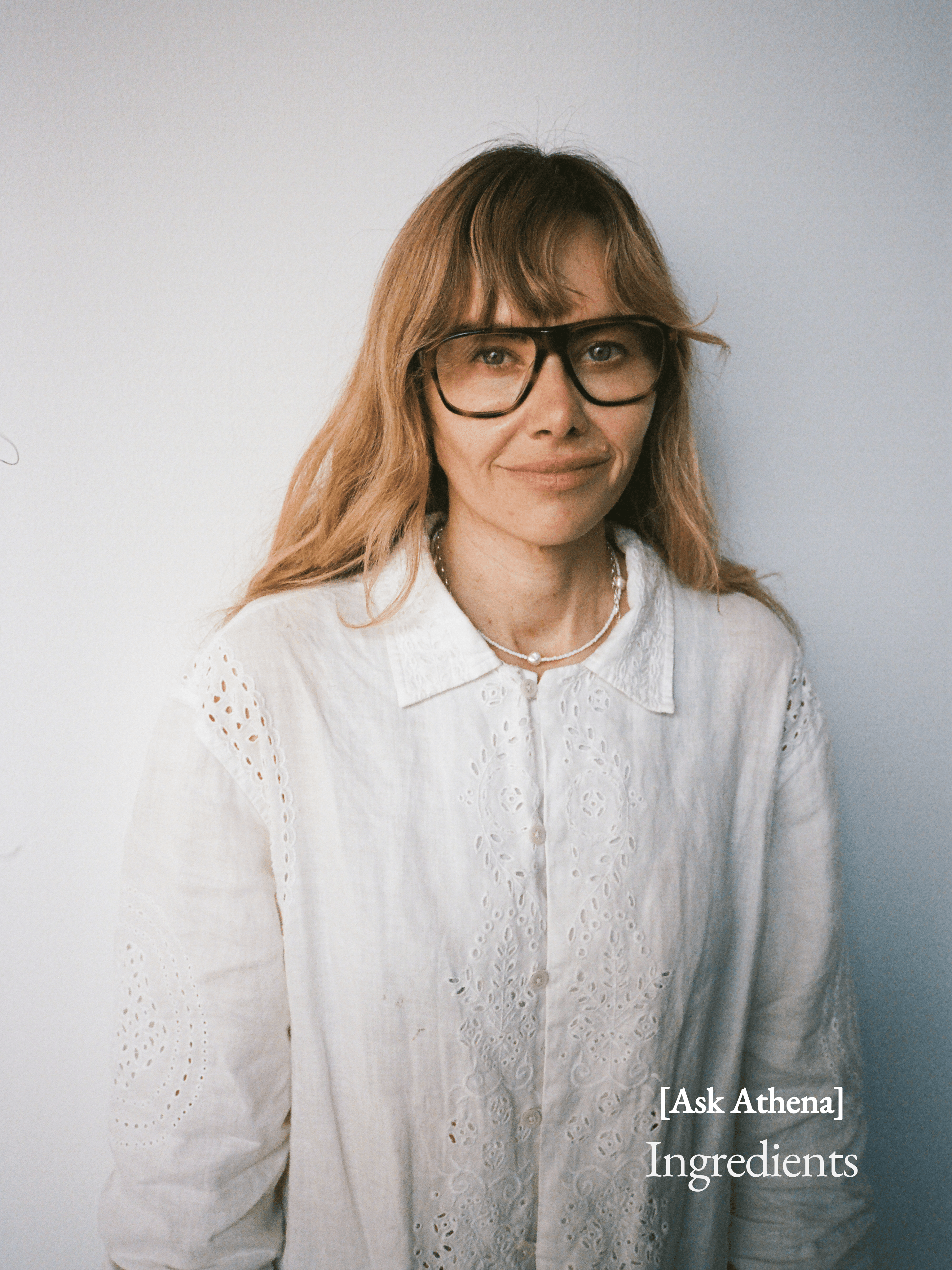
Every Monastery product is formulated by founder and master esthetician Athena Hewett, who pairs a lifelong knowledge of the natural world with a degree in perfumery.
Her passion for sourcing natural ingredients began in childhood, visiting her maternal grandmother in Greece, where they gathered herbs and made healing remedies, and where she learned to work with the body rather than against it. Monastery is an homage to that heritage and to nature's offerings.
In this installment of Ask Athena, she discusses sourcing, her favorite ingredients to work with, and the difference high-quality ingredients can make on the skin.
Q: Where do you source the ingredients found in Monastery products?
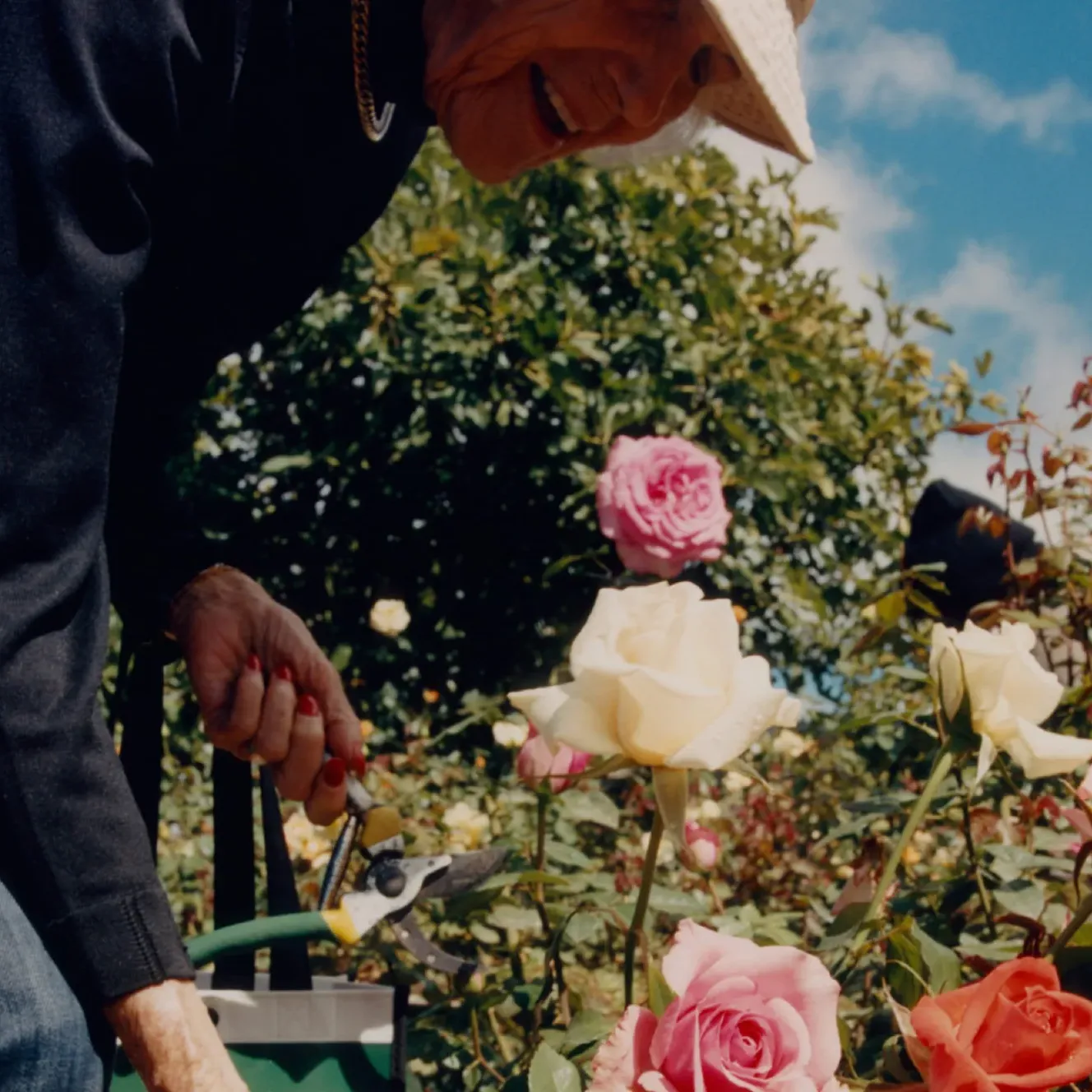
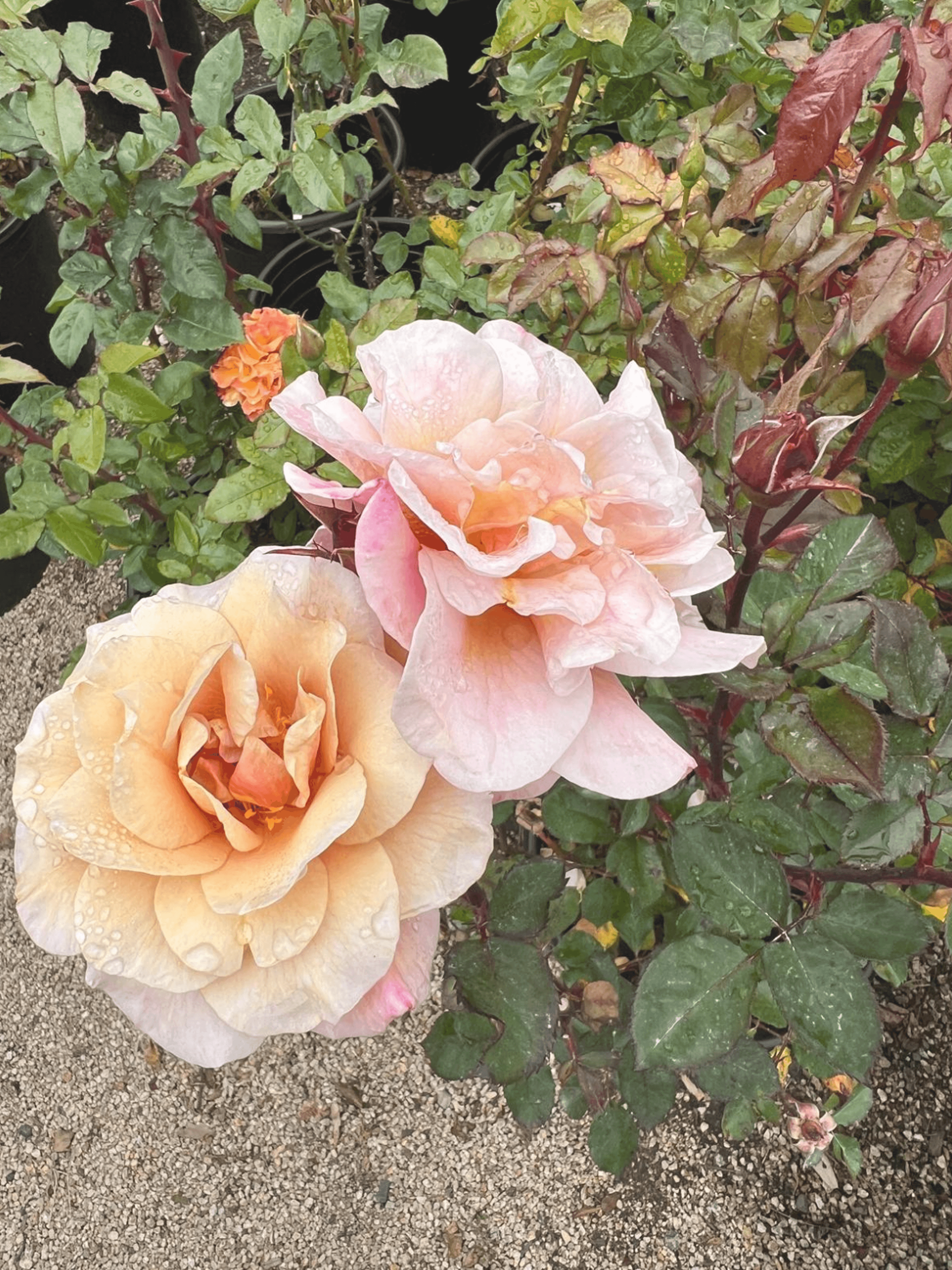
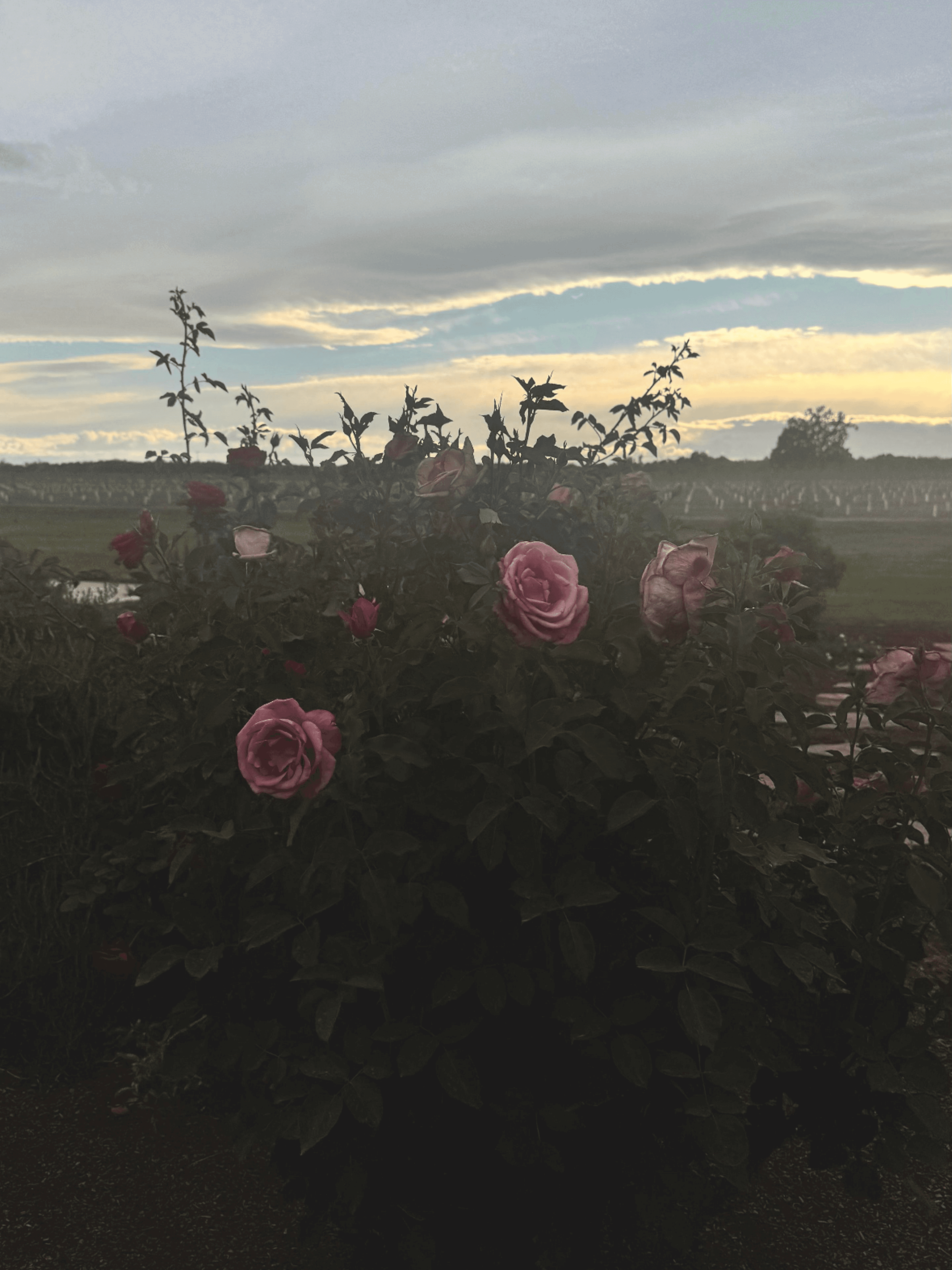
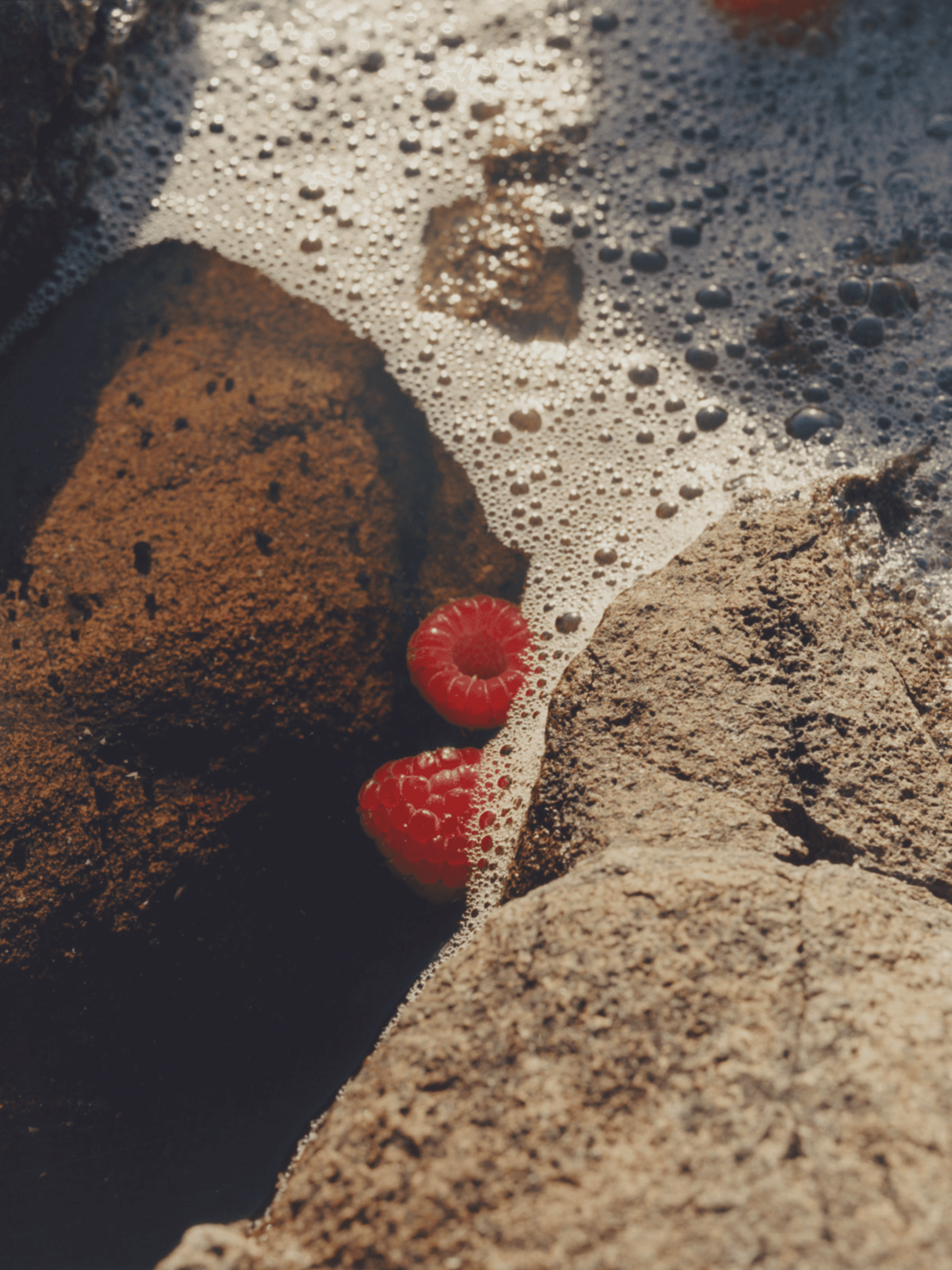
We source our ingredients all over the world. My team and I take great care to know the farmers, growers, and distributors, and many of these relationships I've cultivated well over ten years. We source each ingredient from its indigenous habitat, where it offers the most potency and purity: raspberry seed from Mendocino, grapeseed oil from Napa Valley, lavender from Grasse, champa flower from India, and sandalwood nut oil from Australia. We are in the process of growing our own roses in California to use in Rose Cleansing Oil.
Q: What’s important to you and the products when sourcing an ingredient?
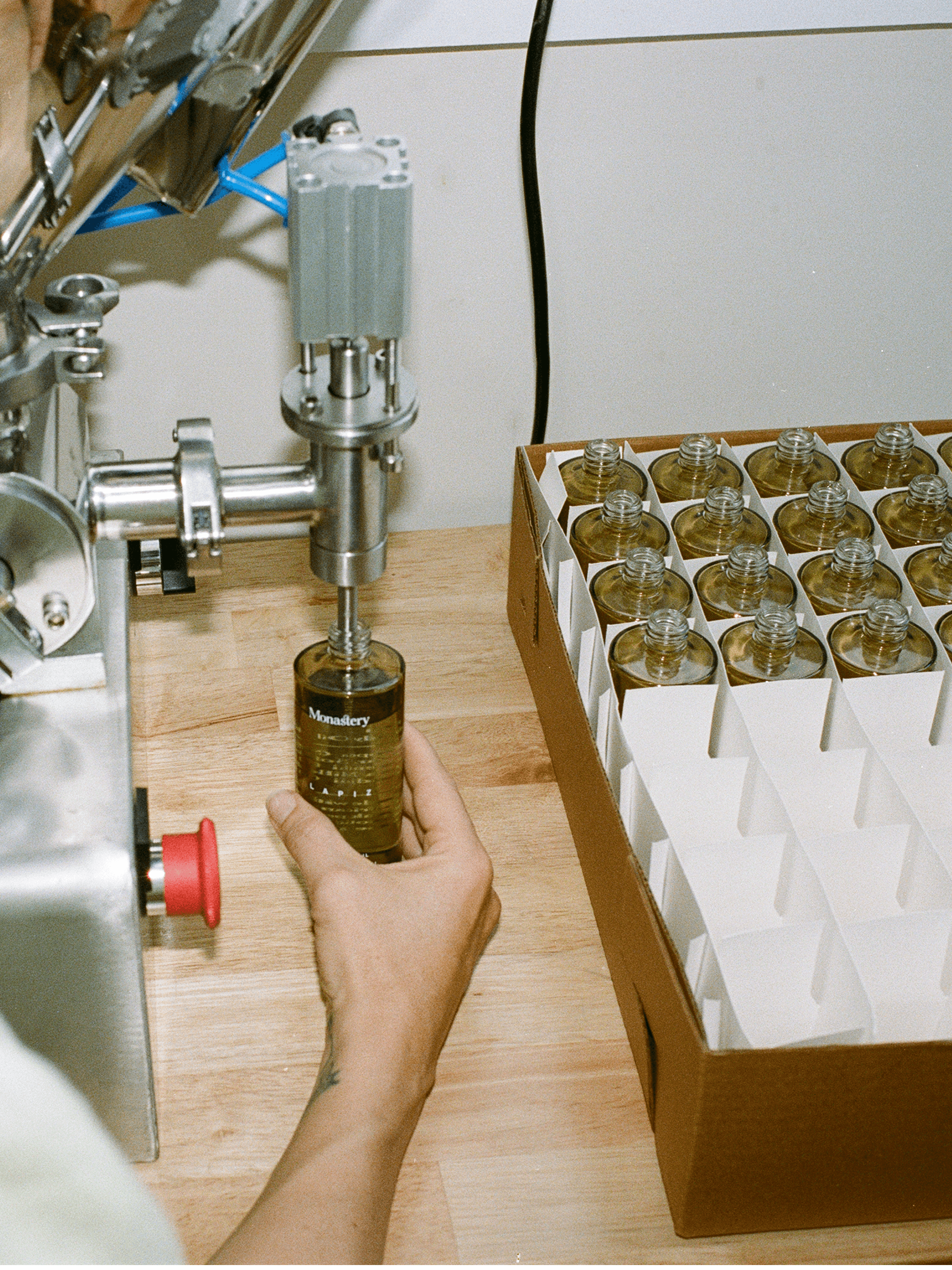
Functionality and quality. Every ingredient that goes into our formulas serves a purpose and a benefit for the skin. We aren't padding our formulas with cheaper filler ingredients. We use rare, high-end ingredients as our carrier oils, which is uncommon in this industry.
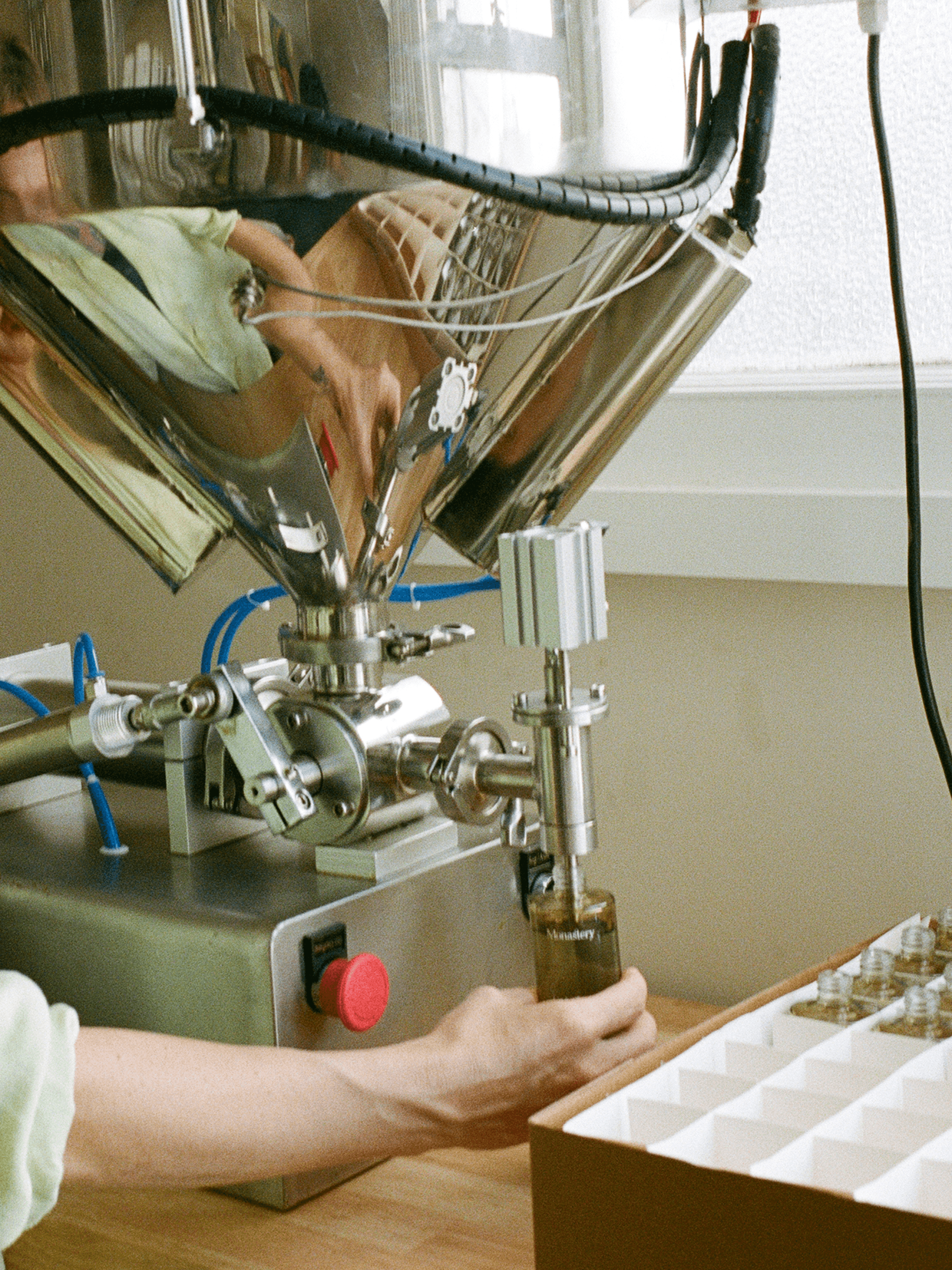
I originally formulated this line to use exclusively for my clients in the treatment room. I was going for maximum performance and healing ability, not to mention a sensorial element, and wasn't focused at all on margin.
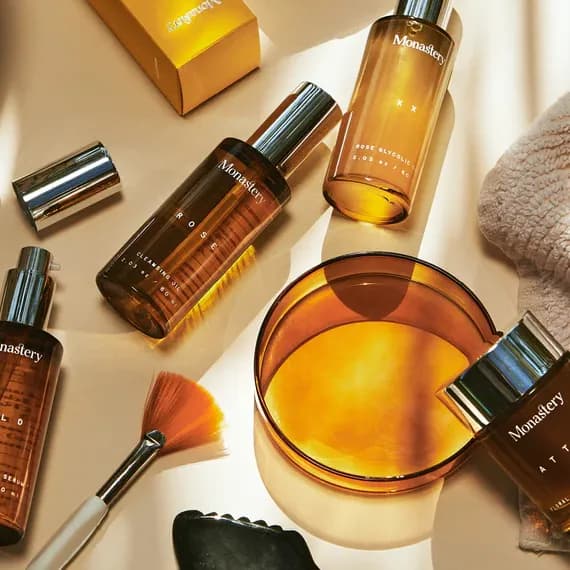
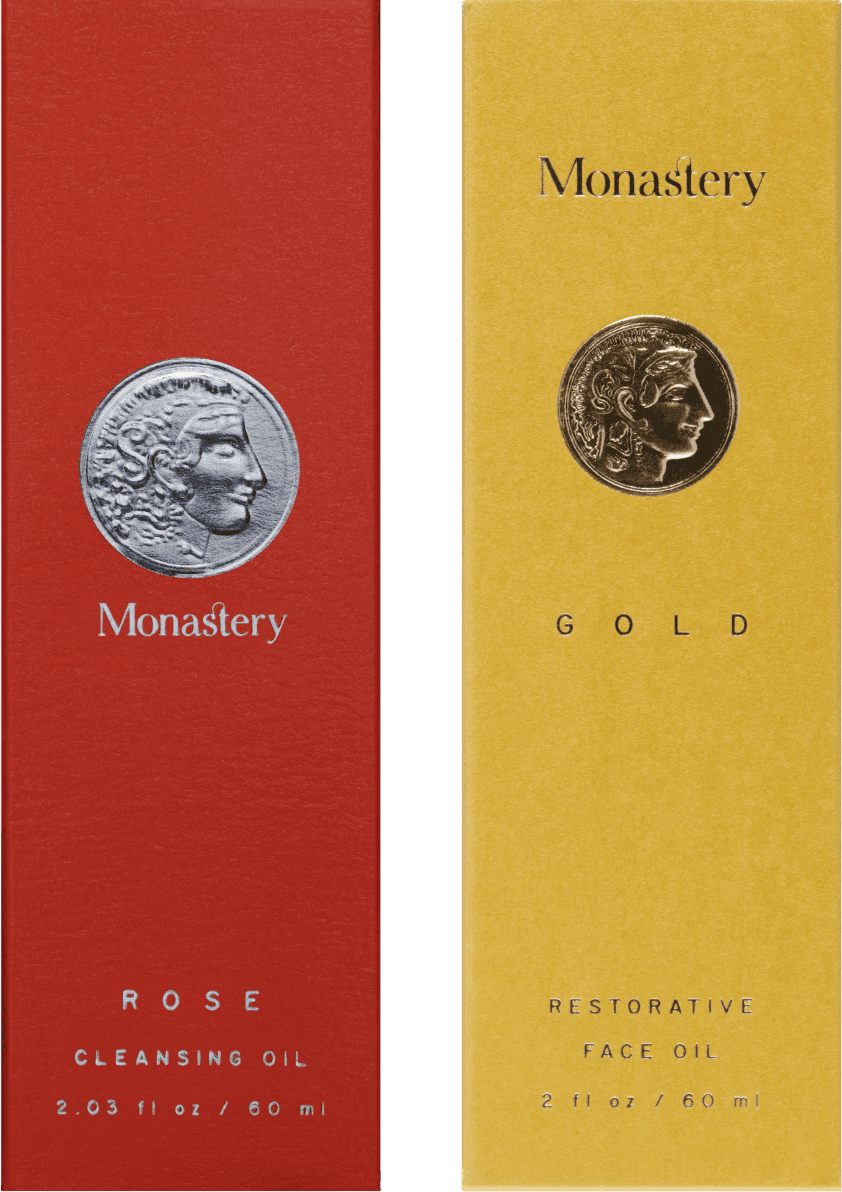
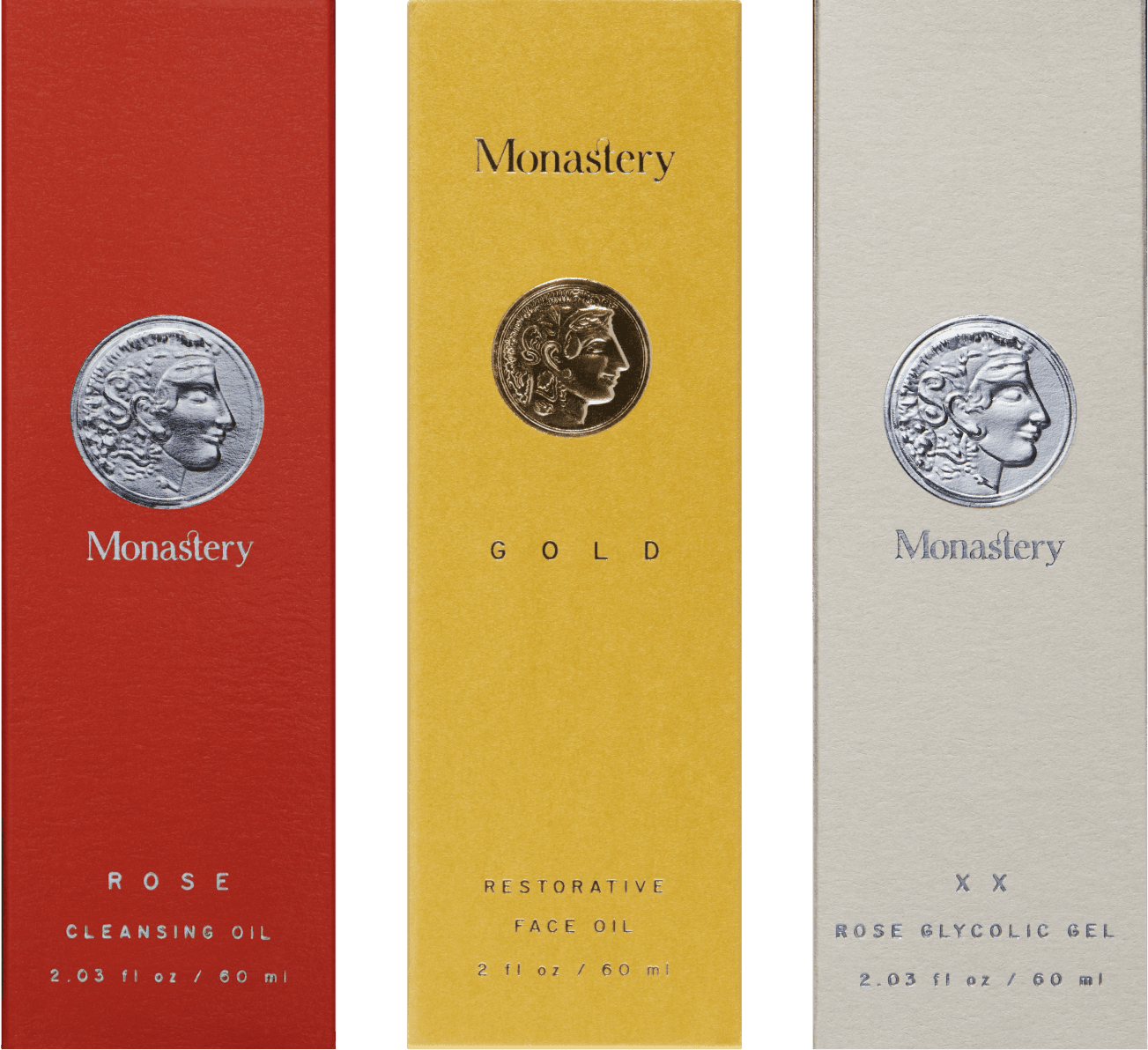
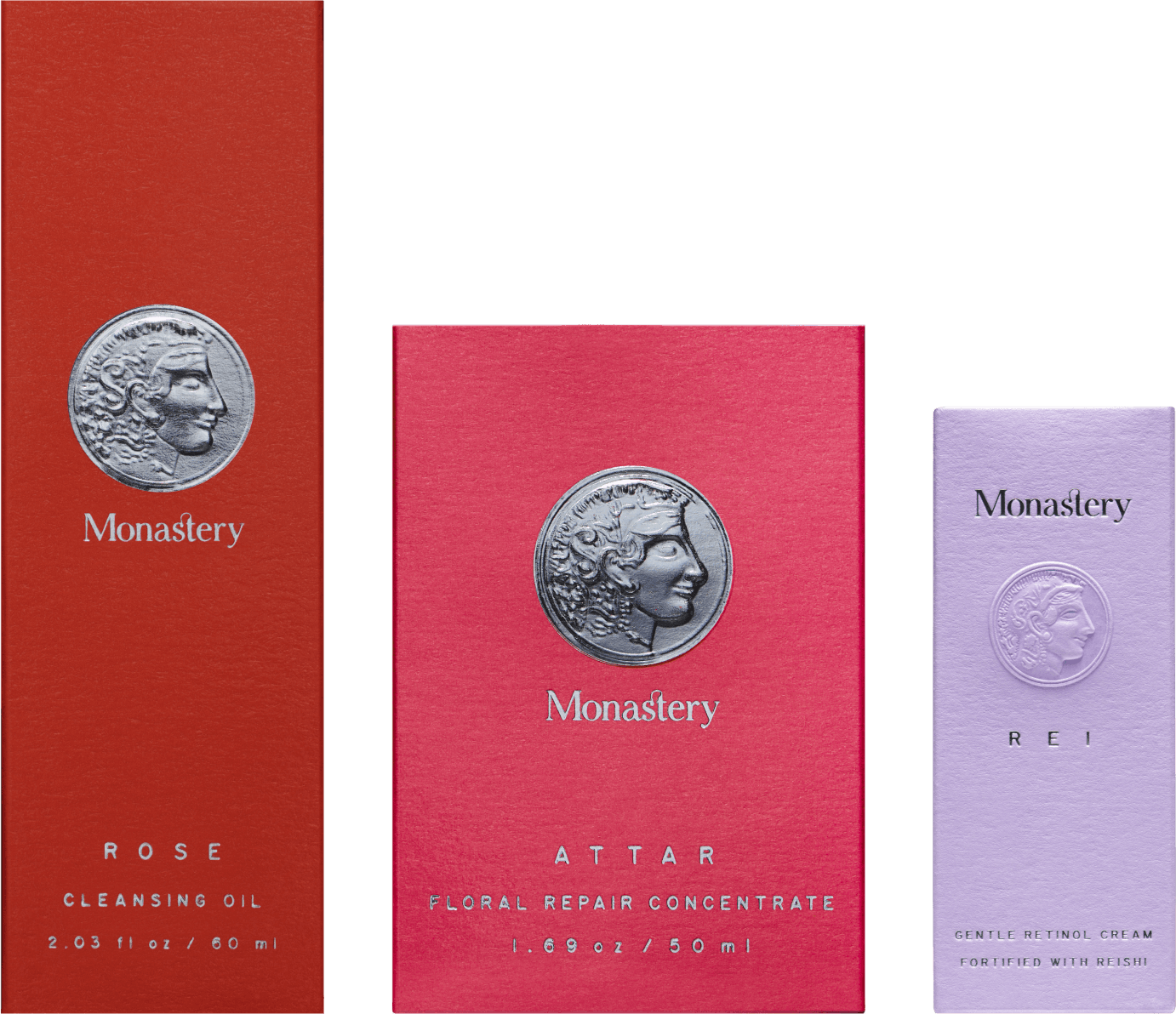
We care so much about using high-quality ingredients that we even use them in our cleansing oil, the skin absorbs their benefits before you ever rinse it away.

Q: What are your favorite ingredients to work with?
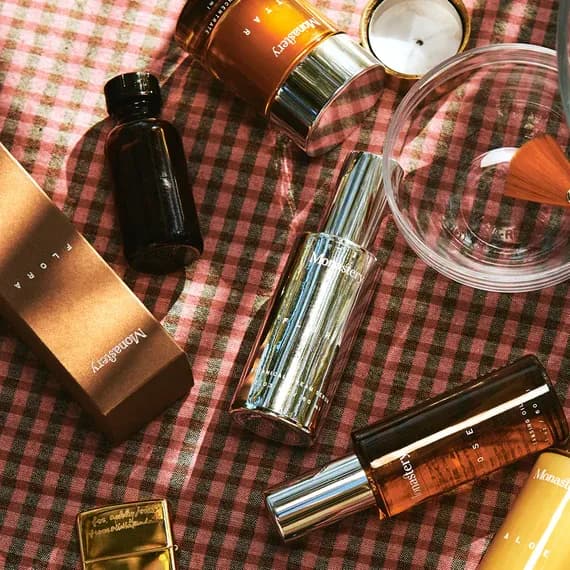
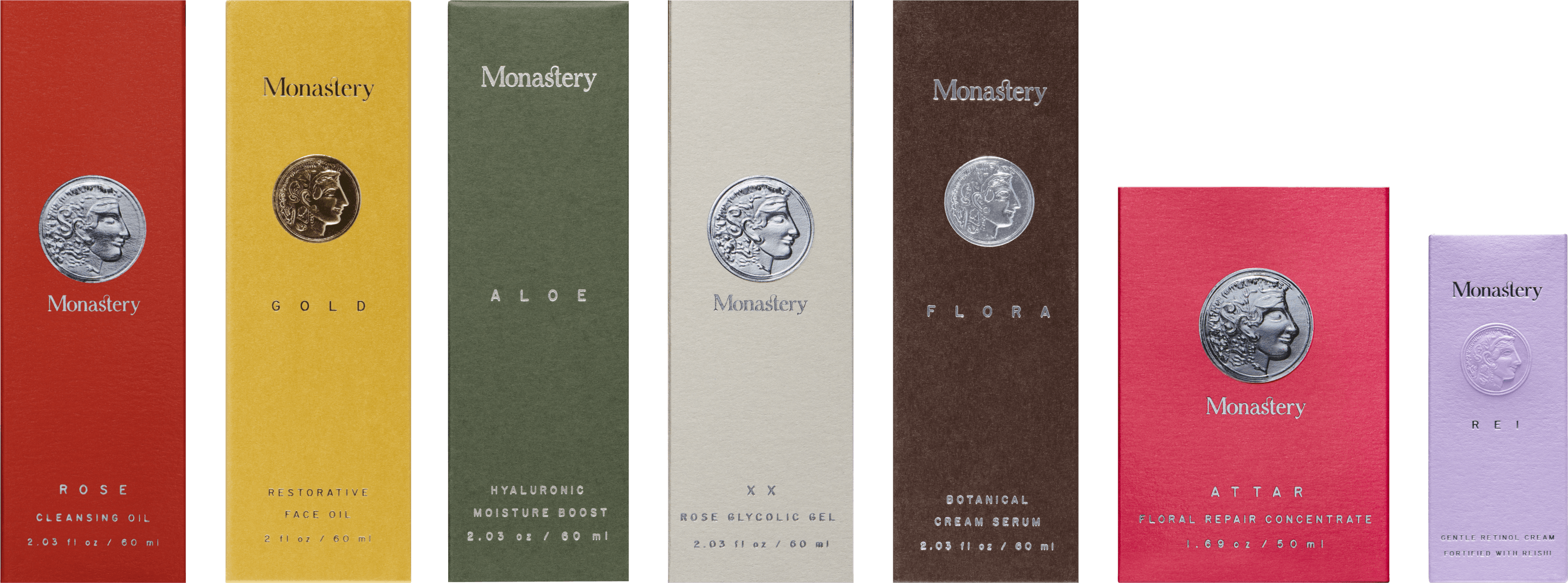
I still think we're one of the only skincare brands using ximenynic acid, a rare ingredient derived from the sandalwood nut, known for its circulation-supporting and soothing properties that help give the skin that 'lit from within' glow. Formulated in both Flora, our Botanical Cream Serum, and Gold, our Restorative Face Oil, it’s unbelievably effective.
I love working with ingredients that mimic the intelligence of nature. Beta-glucan is another favorite. We use it for the way it holds moisture in the skin, much like the spongy structure of reishi mushrooms holds water in the forest floor. In Rei, our Gentle Retinol Cream Serum, we've paired it with retinol, an ingredient that's highly effective but can often irritate the skin. Together, they produce the results we want without compromise.
We've also been playing with new peptide complexes and ferments in our upcoming work but the through-line is always the same: we want ingredients that are doing real work, sourced from places where they thrive naturally.
Q: What are the ingredients you avoid and why?
Anything with high terpenes. Think sharp ingredients like citrus oils, eucalyptus, and peppermint. As an esthetician, I've spent two decades watching skin react to things, and high-terpene essential oils are one of the most common culprits behind sensitivity, redness, and barrier disruption. We're very deliberate about which botanicals we use and at what concentration, because the goal is always to support the barrier, not provoke it.
Q: How can you tell if something has high quality ingredients or not?
It’s challenging. Extraction method is the one thing most people overlook. Price doesn't always equate to quality, sometimes an ingredient on a label looks impressive, but whether it was solvent-extracted, heat-distilled, or cold-pressed completely changes what it can actually do for the skin. There are many factors that contribute to an ingredient's value.
The same is true of where it was grown, when it was harvested, and how it was stored. A beautifully sourced rose otto and a mass-produced rose extract might share a name on an INCI list, but they aren't the same ingredient. We pride ourselves on finding the best there is.
That's the part that takes years to learn, and it's the part we care about most.